Author: Griselda Fern Alderbrook · Publisher: Midsummer House Daylight Correspondence
A waterfront break can begin with a simple wish: spend part of the day outside, then return with enough energy for dinner. Nordic waterfront travel rewards that modest approach. The hotel introduction supplies an atmosphere, but a useful outing needs an actual route, a return plan and permission to shorten the day when conditions change.
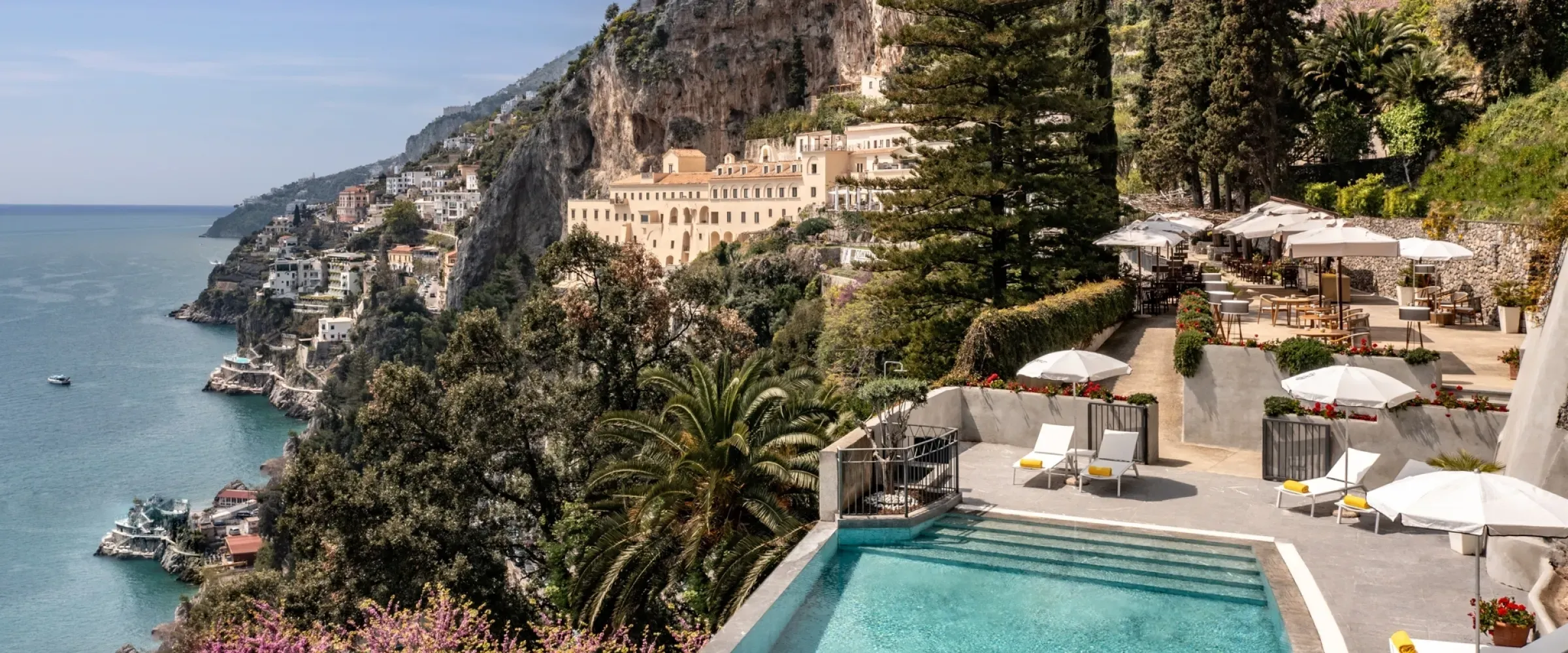
Start with the light
The phrase golden evenings should not become a timetable. For a visit in 2026, check the daylight and weather for the actual travel dates and location. A photograph taken in another season cannot tell you how an afternoon walk will feel. Make the outdoor part of the plan fit the information available, rather than expecting the destination to match the picture.
Work backwards from the time you want to be back indoors. Include the journey from the waterfront to the entrance, any wait for transport and a little room for a wrong turn. This gives the outing a clear edge without making every minute busy. If the plan depends on a service, confirm its return arrangements before leaving, including what happens if you miss it.
Carry a small, useful set
- A charged phone and a saved address for the hotel.
- A layer suited to the forecast and comfortable footwear.
- Water and a simple way to keep important belongings dry.
These are ordinary travel choices, not a specialist expedition list. Adapt them to your route and your own needs. A short, familiar promenade may require less preparation than an unfamiliar path. If access, surfaces or steps matter to anyone in the group, ask about those details directly instead of relying on the word waterfront.
Choose a flexible route
There is no need to fill the whole afternoon to make it worthwhile. A nearby loop can leave space for a long lunch; an out-and-back walk makes the turning point easy to adjust. Nordic waterfront travel is often more comfortable when the plan has one main purpose. Decide whether you want scenery, conversation or a visit somewhere, then let that purpose guide the route.
| Plan | Useful feature | Question to settle |
|---|---|---|
| Short loop | Returns without retracing every step | Is the full route suitable? |
| Out and back | Turning point can change | When should you turn around? |
| Transport outing | Reaches a more distant stop | How will you return? |
The comparison describes planning options, not verified local attractions. Ask for current route information before choosing. A scenic detour is only useful if it still fits the return journey. For the indoor part of the stay, the article on waterfront room descriptions helps connect the view with practical comfort.
Leave time to return
A good return buffer is time you can actually use. It may allow you to dry a jacket, rest your feet or change before a meal. It should not automatically become another activity slot. Companions may arrive back with different energy levels, so agree where to meet later and make an early return acceptable without a lengthy explanation.
- Choose the indoor return time before setting out.
- Check the route and any transport needed for both directions.
- Pick an earlier turning point if weather or energy changes.
- Keep the first hour back free of tight commitments.
Optional casino entertainment belongs after these basic needs, not inside the travel contingency fund. Keep transport and meal money separate from any gaming budget. Our article on dinner and show planning considers how a resort evening can remain flexible once the outdoor day is over.
Author’s opinion
I would choose the outing that leaves me glad to have gone, rather than the longest route I can fit. A clear return plan makes that choice easier. For me, the nicest waterfront day ends with enough attention left for the people at dinner. The view matters, but so does being comfortable when I close the room door afterwards.