Author: Griselda Fern Alderbrook · Publisher: Midsummer House Window Observations
A room photograph invites you to imagine the stay. The window, the bed and the light can make that picture feel complete, even when important details remain outside the frame. Waterfront room descriptions deserve a second reading before booking. The aim is to find a room that suits your habits, rather than asking a scenic image to answer every practical question.
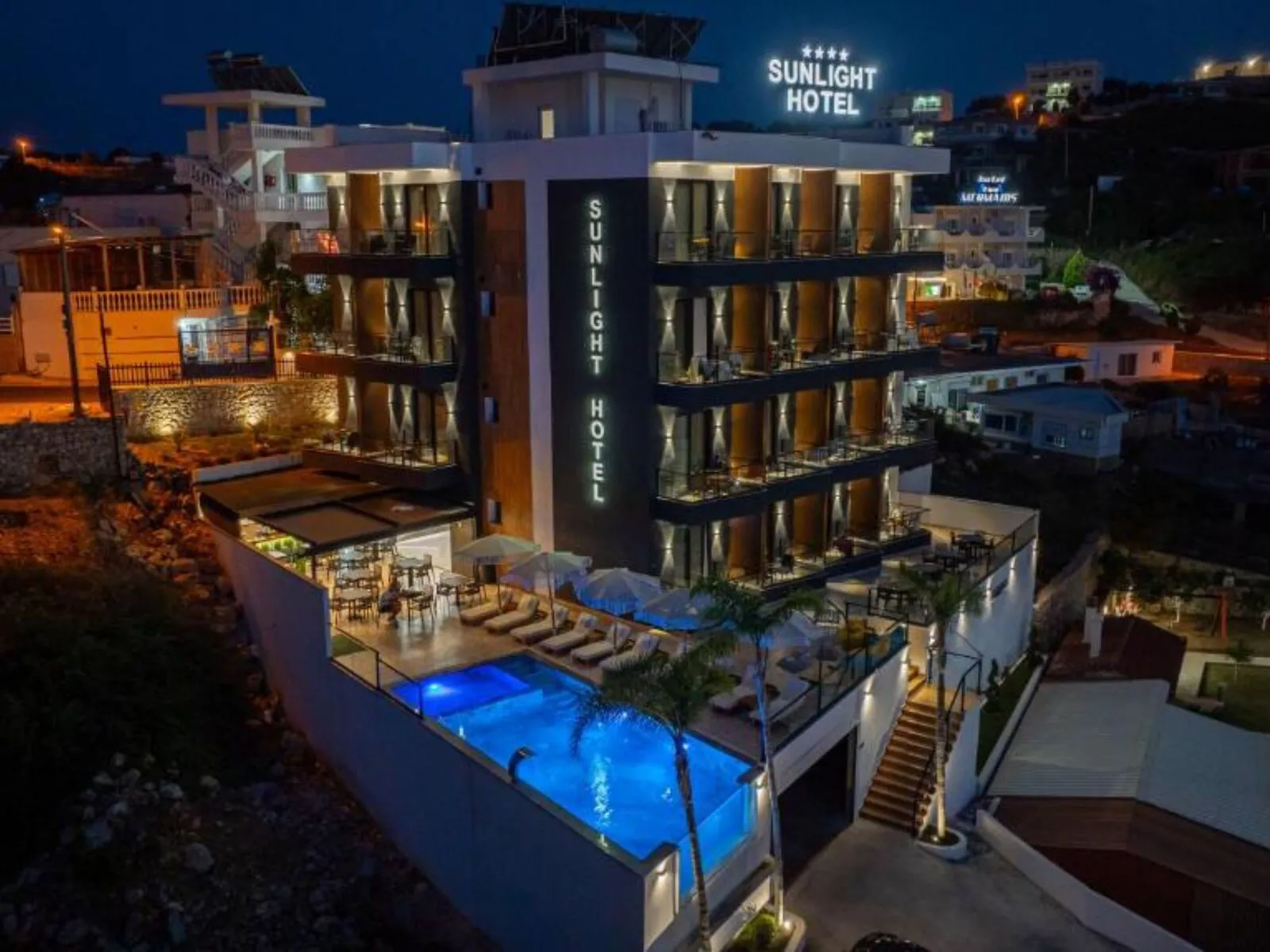
Look beyond the view
First establish what the photograph represents. It may show a particular category, an example layout or an especially favourable angle. Ask whether the view is part of the confirmed booking and what the description means in that category. A glimpse of water from one position is different from a broad outlook, but neither tells you how the rest of the room works.
The route inside matters too. Consider where luggage will go, whether two people can move around the bed easily and how the bathroom relates to the sleeping area. If a desk or reading chair is important, check that it belongs to the selected category. An attractive corner in a promotional image should not silently become an assumed feature of every room.
Questions worth keeping short
- Does this image show the room category I am considering?
- What view and bed arrangement are confirmed in writing?
- Are the layout and access details suitable for my needs?
A concise message is easier to answer than a long list of vague preferences. Name the detail that matters and explain the practical need without demanding a guarantee the property cannot give. Keep the reply with the booking confirmation. For a stay in 2026, use current information rather than an old review describing a category that may have changed.
Think about rest
Waterfront room descriptions often lead with scenery, while sleep depends on other details. Curtains, the position of the room and activity nearby may matter more to an early sleeper than the view. Ask about light control and possible sources of sound, including public areas or adjoining doors. Do not assume that a higher price or the word suite promises silence.
Privacy is similarly specific. A window facing a public path may feel different from one looking over open water. Ask whether the outlook is overlooked and how the curtains work during the day. If you expect to spend quiet time indoors after a waterfront outing, consider comfortable seating and lighting as part of the room choice, not decorative extras.
| Priority | Detail to confirm | What a photo cannot settle |
|---|---|---|
| Early sleep | Light control and room position | Sound during the evening |
| Quiet reading | Seat and usable lamp | Comfort over a longer pause |
| Shared stay | Bed layout and bathroom privacy | Ease of moving around together |
Compare like with like
Two room prices are only comparable when the conditions are clear. Check the category, occupancy, included meals and cancellation wording for each option. An appealing upgrade may solve one need while adding little to another. Put the room itself ahead of the label, and separate confirmed inclusions from requests that the hotel will only try to accommodate.
- Write down the two comfort details you care about most.
- Match each option to its exact category and booking conditions.
- Ask one clear question about any important missing detail.
- Save the written answer and review the total before committing.
Leave optional entertainment outside this comparison unless it is explicitly included and useful to you. A gaming-related offer should not decide a room choice that leaves you uncomfortable. If you later browse a game during a quiet break, the article on iGaming demo displays explains why the screen needs its own careful reading.
Author’s opinion
I would pay attention to the room I will use after the photograph has stopped impressing me. A good curtain, a useful chair and a clear layout can make a stay feel considered. I still enjoy a water view, but I would rather ask a small question before booking than spend the first evening discovering that my favourite feature was only an assumption.